Gutter Services · Fort Pierce, FL
Storm Season Gutter Maintenance, Fort Pierce, FL
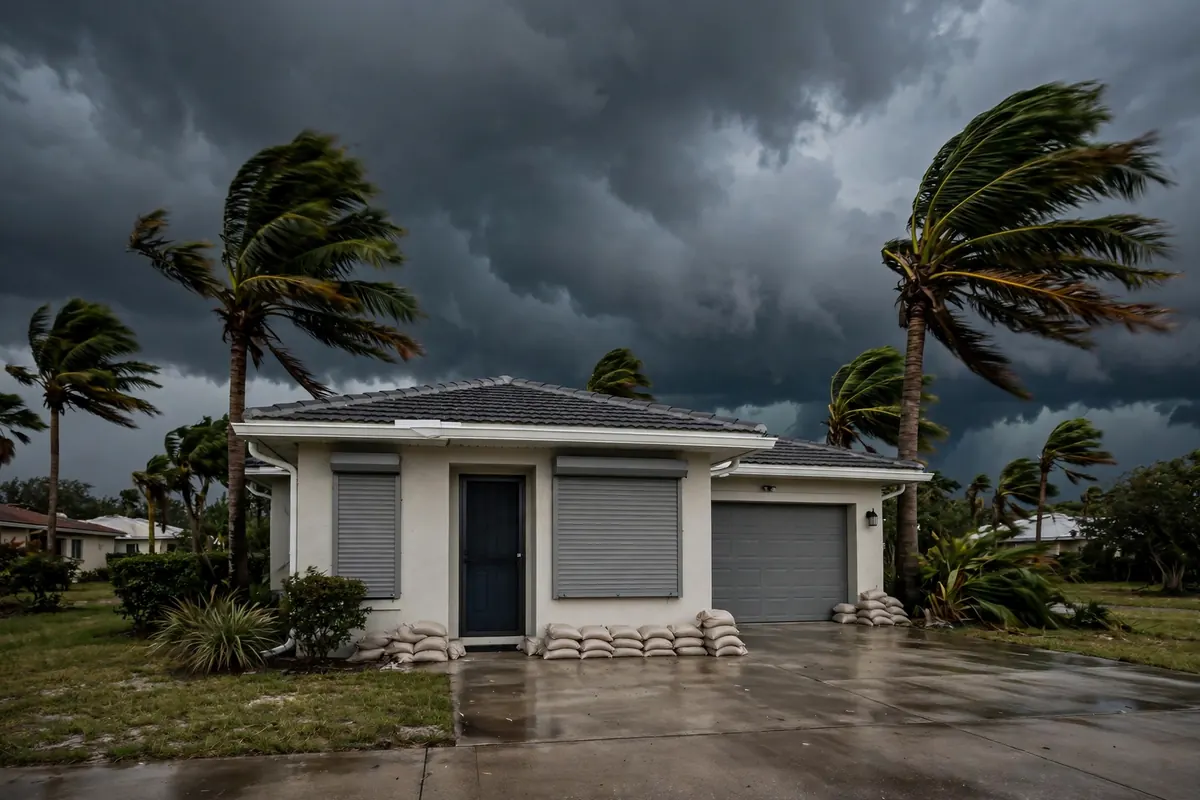
Storm season gutter maintenance Fort Pierce FL homeowners actually need: the June-through-November game plan, the 48-hour pre-storm checklist, and why guarded gutters ride out tropical systems better.
- Pre-season inspection every April or May
- The 48-hour pre-storm roofline checklist
- Post-storm damage checks that catch the expensive stuff
June through November, every year
Your Gutters Are Storm Equipment. Treat Them Like It.
Every hurricane season, the same story plays out on the Treasure Coast: the first tropical system finds the gutters that were already loose, already clogged, already pulling away — and finishes the job. Storm season gutter maintenance isn’t a separate service from everything else on this site; it’s the reason the rest matters. Clean, secured, guarded gutters survive what neglected ones don’t, and the work happens in April and May — not when a named storm is in the Gulf and every contractor is booked solid.
Fort Pierce has receipts: Frances and Jeanne three weeks apart in September 2004, Irma’s flooding in 2017, Ian in 2022, Milton’s 2024 tornado outbreak. Each one taught the same lesson — water is the weapon, and your roofline is where 1,200 gallons per inch of rain gets collected, concentrated, and aimed. A gutter system in good shape moves it away from your house. A compromised one aims it at your foundation, your fascia, and your walls.
The good news: storm-season readiness is mostly inspection and prevention, and it’s cheapest in spring. Below is the calendar we recommend, the 48-hour checklist for when a storm is actually coming, and the post-storm walkthrough that catches damage while it’s still a repair instead of a replacement.
Storm Season Gutter Maintenance, Fort Pierce, FL: The Calendar
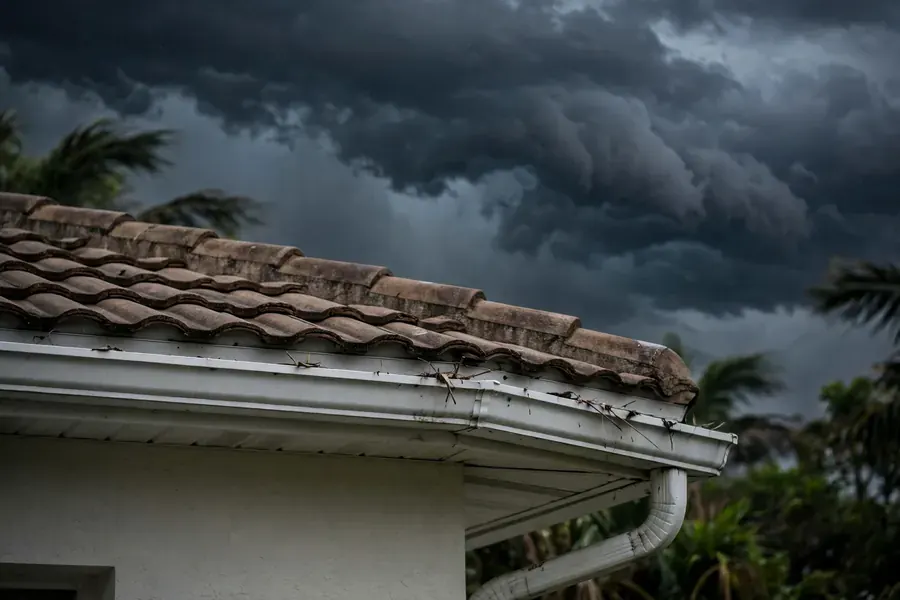
April–May: the pre-season inspection. This is the single highest-value visit of the year — full cleanout, downspout flush, hanger and pitch check, fascia inspection, seal check at every corner and end cap. Everything found gets fixed before June 1, when the season officially opens and the calendar fills.
June–November: the watch months. Keep troughs clear — a mid-season cleanout in August or September pays for itself, because a clogged gutter in a tropical system isn’t a drainage problem, it’s hundreds of pounds of water weight pulling on your fascia. After any tropical storm or hurricane warning, do the post-storm walkthrough below.
December–March: the repair window. Storm damage found after the season is cheapest to fix now — contractors have openings, materials are in stock, and there’s no storm bearing down. This is also when to consider guards: installed in the off-season, they’re working before the first June thunderstorm.
The 48-Hour Pre-Storm Checklist
When a tropical system is two days out, walk the roofline from the ground — no ladders in pre-storm wind. Look for gutters pulling away from the fascia, downspouts separated at the elbows, and sections hanging lower than their neighbors. Anything loose now becomes a projectile or a waterfall later; if it’s bad, call — pre-storm re-securing is a real service and it’s cheaper than post-storm replacement.
Clear what you can reach safely: scoop visible debris from troughs at the downspout outlets especially — a clogged outlet turns the whole run into a bathtub. Make sure downspout extensions are pointed away from the foundation and not detached; storm water needs a clear path away from the slab, not a pond against it.
Then secure the yard: bring in anything that becomes a missile, and know that your gutters can’t save a roof that’s already compromised — missing shingles or lifted tiles above the gutter line will dump water behind the trough no matter how clean it is. If the forecast is Ian-level, the checklist is triage; the real work was supposed to happen in May.
What Frances, Jeanne, Irma, and Ian Taught Us
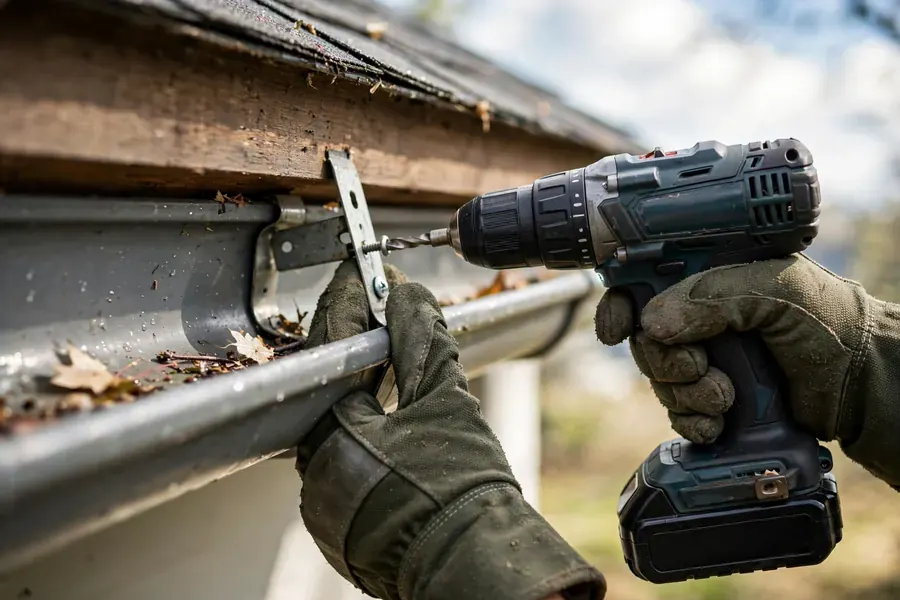
2004 taught us about fasteners. Frances and Jeanne, three weeks apart, ripped spike-and-ferrule gutters off fascia across St. Lucie County — nails backing out of heat-softened wood, one gust at a time. Homes with screwed hidden hangers kept their gutters. Every system we install or re-secure uses screws, and every storm since has confirmed the lesson.
2017 taught us about water volume. Irma didn’t just bring wind — it brought days of rain that overwhelmed undersized 5-inch systems even where they were clean. Overflow isn’t cosmetic in a multi-day event; it’s thousands of gallons landing at the foundation. That’s why we size for Florida cloudbursts first and treat 6-inch as the default, not the upgrade.
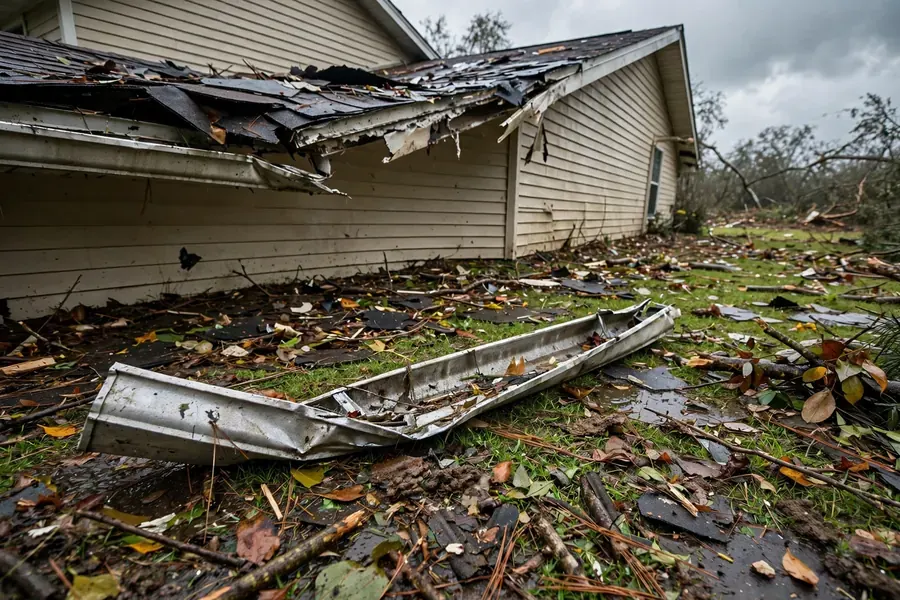
2022 and 2024 taught us about debris and direction. Ian’s rain bands packed gutters with shredded vegetation mid-storm — systems that started clean clogged by hour six. Milton’s tornado outbreak reminded us wind arrives from every direction, finding the weak side of every roofline. The takeaway: guards that keep debris out during the storm, hangers that hold from any direction, and downspouts that stay attached.
Why Guards Are Storm-Season Equipment
A guard’s job description changes in a tropical system: it’s no longer about convenience, it’s about keeping the drainage path open while vegetation is shredding overhead. Micro-mesh keeps the mid-storm debris load on top of the system — where wind clears much of it — instead of packing it into the trough where it dams the flow. See the guard types that actually do this.
Weight is the quiet killer. A 40-foot run of 6-inch gutter holds over 300 pounds of water when full — a clogged, brimming system in a multi-day rain event is hanging hundreds of pounds off your fascia in gusting wind. Guards don’t make the water vanish, but by keeping outlets clear they keep the system draining instead of brimming, which is the difference between a system that survives and one that peels off.
The economics favor acting in spring: guards installed April–May cost the same as guards installed in a panic, but the spring installation gets the pre-install inspection, the fascia repairs, and the re-pitching done properly — not as triage. Check what guards cost, then call before the season, not during it.
Keep exploring
Related Gutter Services in Fort Pierce
Storm-ready means system-ready. Start here:
Gutter Guards
Micro-mesh systems that keep mid-storm debris out of your troughs — installed on clean, sound gutters with screwed hangers.
Learn moreGutter Guard Types
Which guard designs handle hurricane-volume rain and which ones overshoot — the honest comparison.
Learn moreSeamless Gutter Installation
Storm season is the argument for 6-inch seamless: capacity, screwed hangers, and fascia inspected before a single hanger goes up.
Learn moreGet Storm-Ready Before June.
Pre-season inspections book out every April and May — call Fort Pierce Gutter Pros at (772) 262-4370 and get your roofline on the schedule before the first tropical wave.
Prefer to talk it through? (772) 262-4370
Common questions
Fort Pierce Gutter FAQs
April or May — a full cleanout, downspout flush, and hanger/pitch/fascia inspection before June 1. Once the season opens, every contractor on the Treasure Coast books solid, and pre-storm work becomes triage.
From the ground: gutters pulling away from the fascia, separated downspouts, sagging sections. Clear debris you can reach safely, especially at downspout outlets, and make sure extensions discharge away from the foundation. No ladders in pre-storm wind.
Yes — two ways. A clogged run becomes a bathtub: hundreds of pounds of water weight pulling on the fascia in gusting wind, which peels gutters off. And overflow dumps thousands of gallons at your foundation instead of carrying it away. Both are preventable with pre-season maintenance.
They help with the debris problem: micro-mesh keeps shredded vegetation out of the trough mid-storm so outlets stay clear and the system keeps draining. They don’t replace screwed hangers or sound fascia — guards on a weak system are still a weak system.
Gaps between gutter and fascia, downspouts separated at elbows, sections hanging lower than neighbors, new overflow staining on siding, and granule piles that signal shingle damage above. Photograph everything before cleanup — then call before the next rain.
No — a properly secured gutter system with screwed hangers should stay. Removing gutters leaves roof runoff completely uncontrolled, which is worse. The answer is screwed fasteners and pre-season inspection, not removal.
Frances and Jeanne (2004) ripped spike-and-ferrule systems off fascia countywide — the lesson was screwed hangers. Irma (2017) overwhelmed undersized 5-inch gutters with multi-day rain — the lesson was capacity. Ian (2022) packed clean gutters with shredded vegetation mid-storm — the lesson was guards.
No — May installations are routine, and the system is working before the first June thunderstorm. What you want to avoid is the panic install with a named storm in the Gulf: no time for proper fascia repair or re-pitching, and every contractor is triaging.